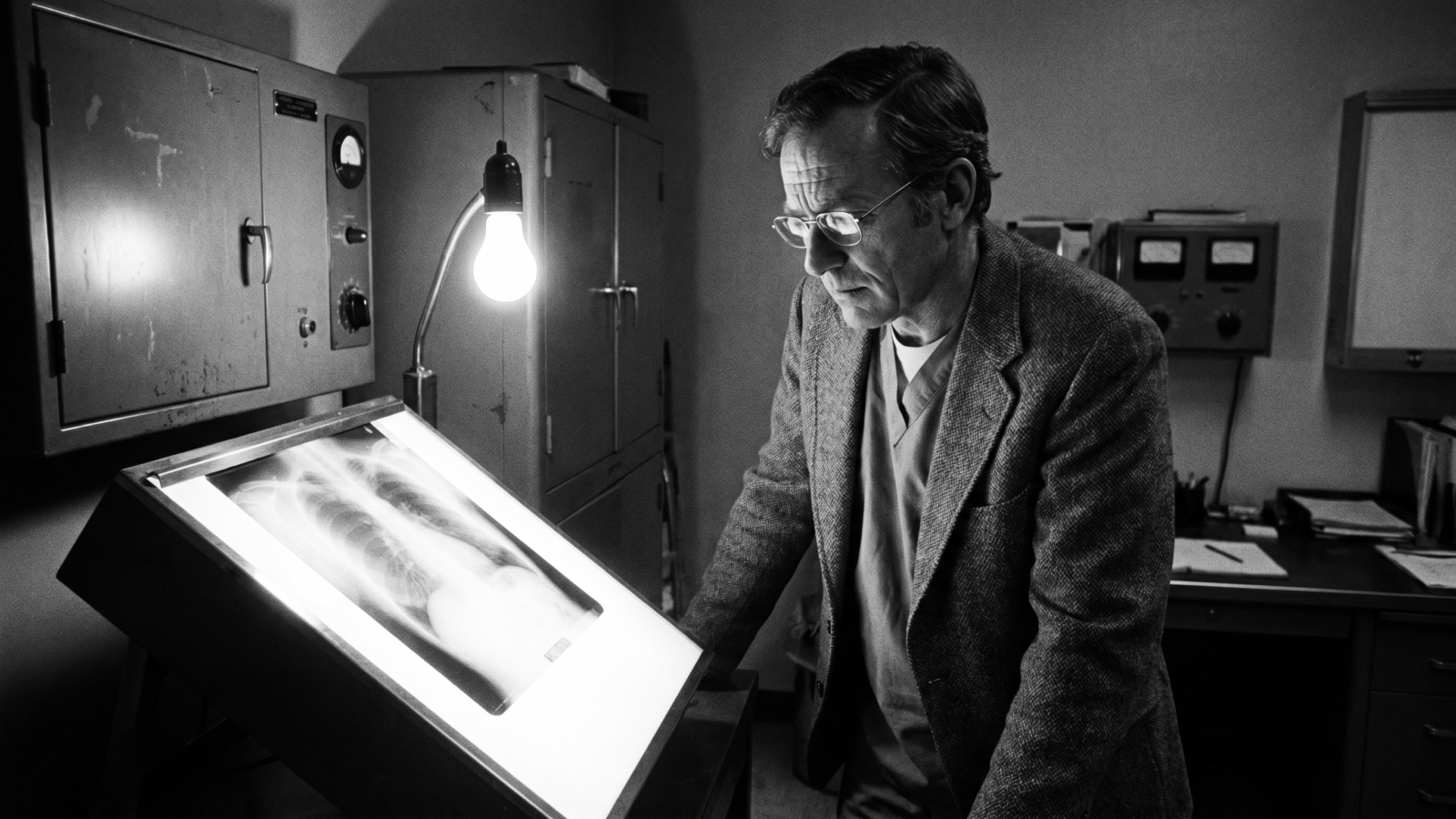
Every year, some number of the 3,000 Americans diagnosed with mesothelioma are initially told they have lung cancer. The two diseases can appear similar on early imaging. The distinction matters enormously — not only for treatment, which differs significantly between the two conditions, but for legal purposes. Many asbestos trust fund claims, and the statute of limitations that governs them, run from the date of a mesothelioma diagnosis specifically. A delayed or incorrect diagnosis delays the clock. In some cases, it eliminates options entirely.
This investigation documents what distinguishes mesothelioma from lung cancer, why the distinction matters legally, and what to do if you or a family member has received either diagnosis following asbestos exposure.
Two Different Diseases
Mesothelioma is a cancer of the mesothelium — the thin membrane that lines the lungs, chest cavity, abdomen, and heart. It is caused almost exclusively by asbestos exposure. Lung cancer, by contrast, is a cancer that originates in the lung tissue itself. While asbestos exposure can cause lung cancer — particularly in smokers — lung cancer has many causes, and the legal and trust fund eligibility analysis is different for the two conditions.
The distinction matters for treatment: mesothelioma is treated by specialists in thoracic oncology and surgical oncology who are familiar with the specific characteristics of the disease. Standard lung cancer protocols are not the same as mesothelioma protocols, and survival outcomes differ depending on whether the correct treatment approach is used.
If This Investigation Affects You
A confirmed mesothelioma diagnosis — distinguished from lung cancer — opens specific trust fund claims and legal options. If you or a family member has received a diagnosis of mesothelioma, asbestosis, or lung cancer with documented asbestos exposure, a mesothelioma attorney can confirm which legal options apply.
Trust fund claims are generally subject to statutes of limitations of 1 to 3 years from the date of diagnosis, varying by state. Acting now preserves your options.
Get a Free Confidential Case Review →
No obligation. No upfront cost. Initial communications are confidential. Attorney advertising.
Why Misdiagnosis Happens
Pleural mesothelioma — the most common form, affecting the lining of the lung — can appear similar to lung cancer on a CT scan, particularly in early stages. The distinction requires a biopsy, and the pathological interpretation of mesothelioma biopsies requires specialist expertise. Community hospitals may not have pathologists experienced with mesothelioma, and the initial read may be lung cancer.
If you or a family member receives a diagnosis of lung cancer following known asbestos exposure, it is worth requesting that the biopsy slides be reviewed by a pathologist at a specialist mesothelioma centre. The diagnosis can change, and the change matters both medically and legally.
The Legal Distinction
Asbestos trust funds have different eligibility schedules for different diagnoses. Mesothelioma claims — across virtually all trusts — receive the highest scheduled values and the most favourable terms. A claimant with a confirmed mesothelioma diagnosis, documented asbestos exposure, and a qualifying work history can typically expect to file against multiple trusts simultaneously.
Lung cancer with documented asbestos exposure is also compensable under most trust fund eligibility criteria, but typically at lower scheduled values and with more documentation requirements. Some trusts require a minimum asbestos exposure period or a certain level of impairment in addition to the lung cancer diagnosis.
Asbestosis — the progressive scarring of the lung tissue caused by asbestos fibre inhalation — is separately compensable under most trusts, though again at different values and terms than mesothelioma.
Getting the Right Diagnosis
Any diagnosis of mesothelioma should be confirmed at a specialist centre. The National Cancer Institute designates comprehensive cancer centres with active mesothelioma programmes — these are the institutions with the clinical volume and pathological expertise to confirm the diagnosis and recommend the most appropriate treatment approach.
Key questions to ask your oncologist: Has this diagnosis been confirmed by a specialist mesothelioma pathologist? Has a second opinion been obtained? What cell type has been identified — epithelioid, sarcomatoid, or biphasic? What stage? These answers affect both treatment decisions and the legal case.
A mesothelioma attorney can help coordinate the diagnostic confirmation process alongside the legal claim process, ensuring that the medical documentation required for trust fund claims is properly assembled from the beginning.
More from Worker Testimony