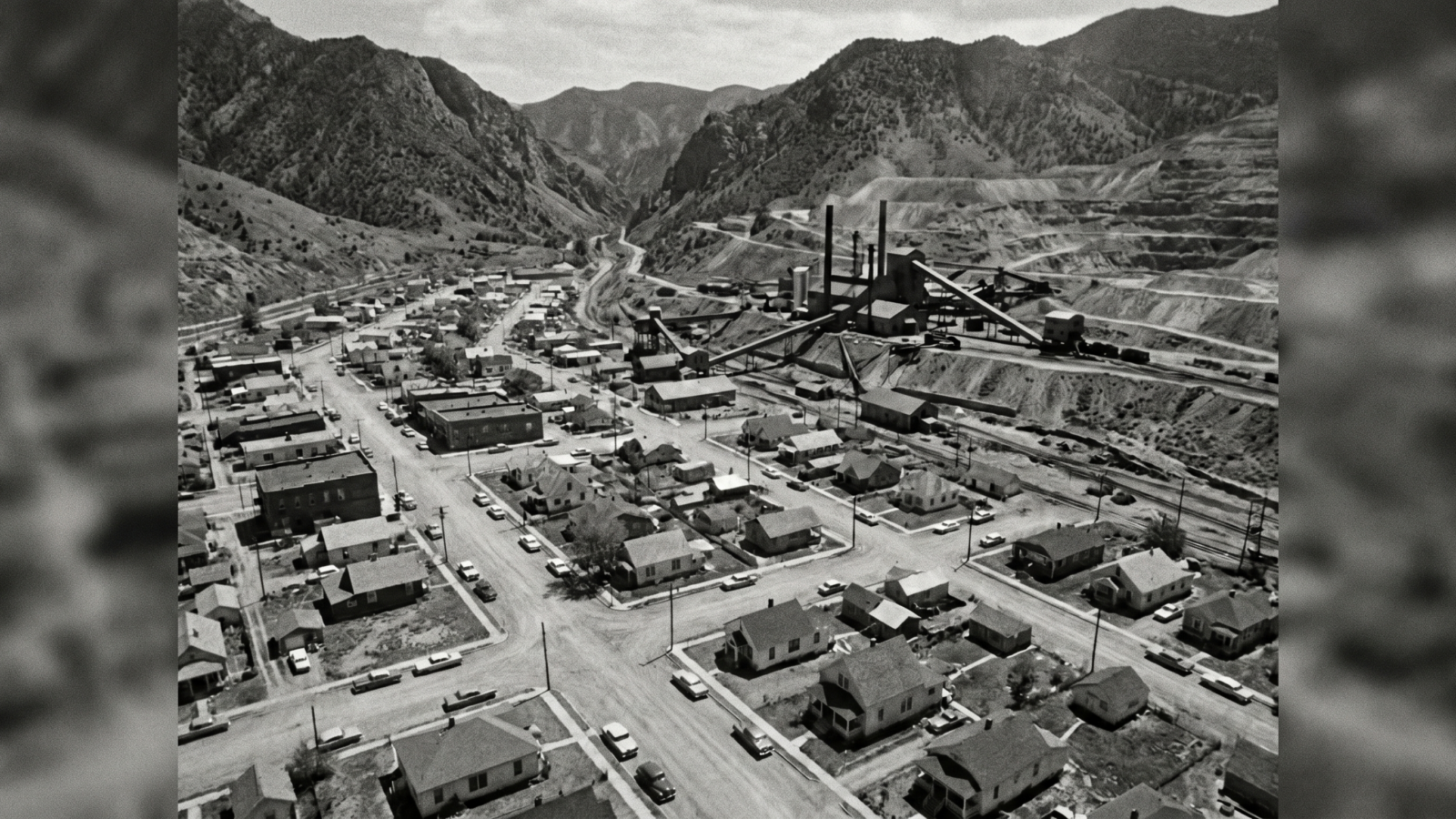
The town of Libby, Montana has a mesothelioma mortality rate approximately 40 times the national average. The W.R. Grace vermiculite mine that caused it closed in 1990. People in Libby are still dying — and more are still being diagnosed, because the 20-50 year latency period for mesothelioma means exposures from the mine’s final operating decades are still producing new cases today.
The contamination at Libby was local. The distribution of the contaminated product was national: Libby vermiculite was processed into Zonolite attic insulation, installed in an estimated 35 million American homes between the 1940s and 1980s. If you have Zonolite insulation in your attic, it likely contains tremolite asbestos — one of the most aggressive forms of the fibre.
What Grace Knew
Documents obtained through litigation and EPA investigation show that W.R. Grace possessed detailed knowledge of the health risks at Libby as early as the 1960s. Industrial hygiene surveys documented asbestos fibre concentrations in the mine, the mill, and the surrounding community. Company medical records showed elevated rates of asbestosis among workers.
Grace’s response followed the same pattern established by other asbestos manufacturers: monitor the data internally, avoid external disclosure, manage legal exposure. Workers diagnosed with asbestos-related disease were quietly settled with or terminated. Community members who raised concerns were dismissed. Independent researchers seeking access to the mine were denied.
If This Investigation Affects You
If you lived in or near Libby, Montana during W.R. Grace’s operation of the vermiculite mine, or if you used Zonolite attic insulation in your home, you may have been exposed to tremolite asbestos without knowing it. If you or a family member has been diagnosed with mesothelioma or asbestosis, the W.R. Grace trust — holding $4 billion — may apply to your case.
Trust fund claims are subject to statutes of limitations — in most states, 2 to 3 years from the date of a mesothelioma diagnosis. Acting now preserves your options.
Get a Free Confidential Case Review →
No obligation. No upfront cost. Attorney advertising.
The Scale of Community Contamination
What distinguished Libby from typical occupational asbestos exposure was the scale. Grace processed vermiculite through a facility in the centre of town. Contaminated dust settled on homes, parks, and public spaces. Children played on contaminated ore piles. Families were exposed through contaminated work clothing — secondary exposure that caused mesothelioma in people who never set foot in the mine.
The contamination continues to be discovered in Libby’s built environment. EPA has conducted multiple rounds of cleanup; as of 2026, remediation is ongoing and the site remains a federal Superfund priority.
EPA Emergency Declaration and Criminal Charges
In 2009, EPA declared a public health emergency in Libby — the only time in the agency’s history that CERCLA’s emergency declaration provisions have been used for an asbestos-related site. In 2005, the Department of Justice indicted W.R. Grace and seven executives on criminal charges. The trial resulted in acquittals — an outcome that prompted significant criticism of the prosecution strategy — but the civil liability was separately addressed through bankruptcy proceedings.
The Trust Fund and Who It Covers
W.R. Grace filed for bankruptcy in 2001. The Grace bankruptcy trust, established in 2016, holds $4.0 billion and covers a broader range of exposures than most trusts: Libby mine workers, Libby community residents, Zonolite attic insulation users nationwide, and workers who handled Grace’s Monokote spray-on fireproofing used in commercial construction. If you have Zonolite insulation in your home and a mesothelioma diagnosis, the Grace trust covers you — even if you never went near Libby.
More from The Asbestos Files