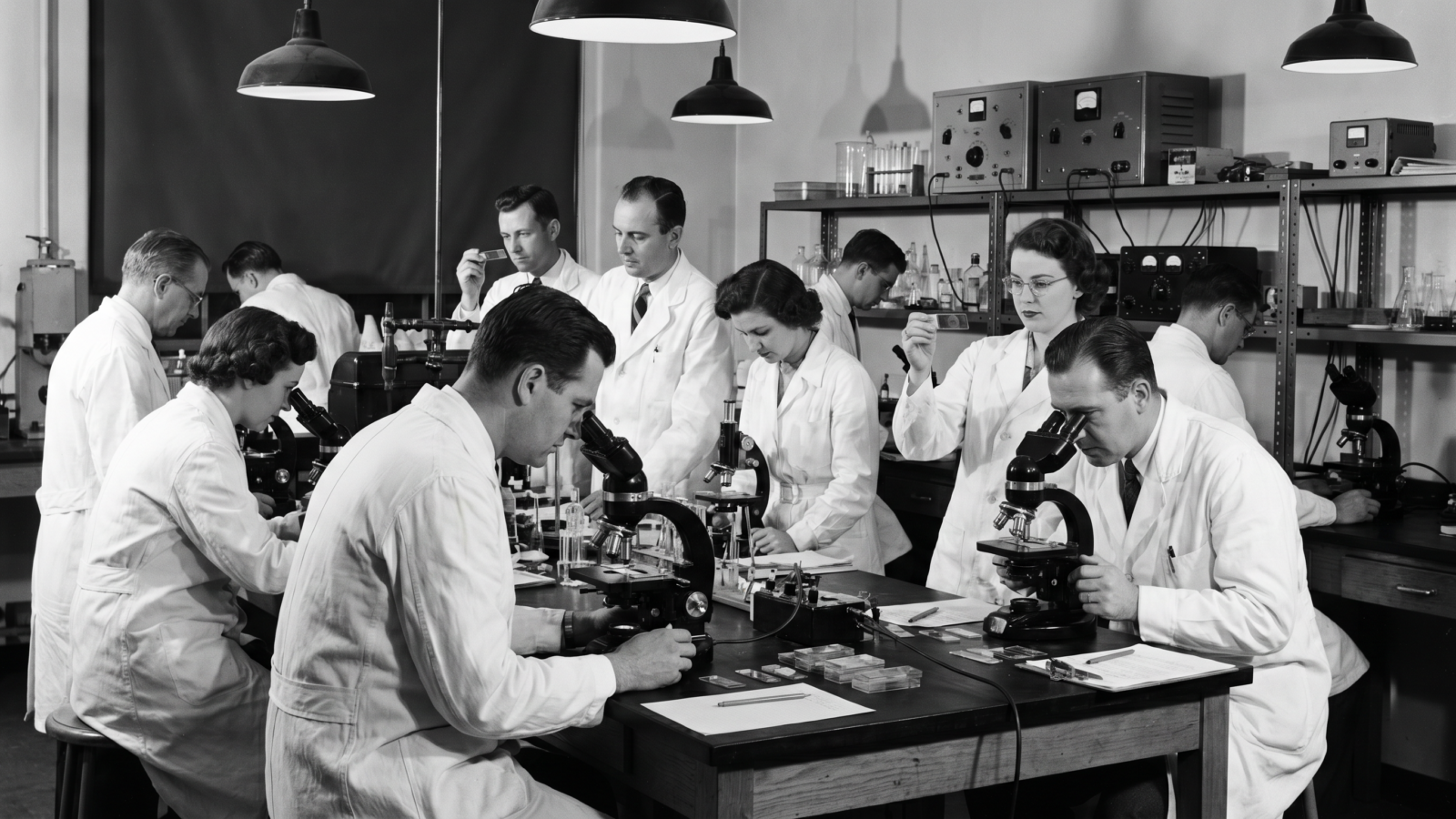
The animal studies confirming that asbestos causes cancer were completed at the Saranac Lake Laboratory in the early 1950s. The results were communicated to the asbestos manufacturers who funded the research. They were never published. The workers who would develop mesothelioma from those manufacturers’ products over the following decades were never told.
This is the documented history of how industry science worked — and how research that might have saved lives was buried in an upstate New York laboratory, funded into silence.
The Funding Relationship
Johns-Manville Corporation, Raybestos-Manhattan, and other major asbestos manufacturers were significant funders of Saranac Lake research through the 1930s, 1940s, and 1950s. The funding was not secret — it was disclosed in grant agreements and correspondence. What was not publicly disclosed was the degree to which industry funding influenced which research was conducted, which results were shared with funders before publication, and which studies never reached publication at all.
Internal documents obtained through litigation discovery reveal a consistent pattern: unfavourable research findings were communicated to funders, who then exercised influence — sometimes explicit, sometimes through the mechanism of future funding decisions — over the disposition of those findings. This was not exceptional. It was the operating model.
If This Investigation Affects You
If you or a family member worked in an asbestos-related industry and has been diagnosed with mesothelioma, the suppression of research documented in this investigation is part of why warning labels appeared decades too late. That does not change your legal rights. Trust fund claims do not require proving the research suppression — only proving exposure to specific products.
Trust fund claims are subject to statutes of limitations — in most states, 2 to 3 years from diagnosis. Acting now preserves your options.
Get a Free Confidential Case Review →
No obligation. No upfront cost. Attorney advertising.
The Cancer Studies
The most consequential suppressed research involved animal studies conducted at Saranac Lake in the late 1940s and early 1950s. These studies — exposing laboratory animals to asbestos fibres under controlled conditions — produced results that, when later reviewed by independent scientists, clearly demonstrated that asbestos causes cancer. The results were communicated to funding manufacturers. They were not published in scientific literature.
The Saranac Lake research records, obtained through litigation discovery decades later, showed that the decision not to publish was not passive — it followed active communication between the laboratory and its industry funders about the implications of the findings. The manufacturers understood what the studies meant. They chose concealment.
Dr. Leroy Gardner
The laboratory’s director during its most active asbestos research period, Dr. Leroy Gardner, became a central figure in the historical account of asbestos research suppression. Gardner conducted extensive research on asbestos toxicology and was among the first scientists to document asbestos-related cancer in animal studies. His correspondence with industry representatives — preserved in the litigation document record — shows a scientist acutely aware of the health implications of his findings and, simultaneously, dependent on industry funding for his laboratory’s continued operation.
This tension, writ large across the American industrial research establishment, is the institutional context in which the suppression of asbestos health research occurred. It was not primarily a story of individual villainy but of structural incentives that systematically produced the same outcome: research that threatened industry profitability did not reach the public.
The Legacy — and What It Means Today
The Saranac Lake suppression delayed the scientific consensus on asbestos and cancer by a decade or more. Dr. Irving Selikoff of Mount Sinai Hospital eventually established that consensus definitively by the mid-1960s — working independently of industry funding. But the workers exposed during that decade of delay paid with their lives. The mesothelioma diagnoses being made today represent exposures from the peak decades of that delay: the 1950s through 1970s, when the science was being suppressed and the warnings were not being issued.
More from The Asbestos Files