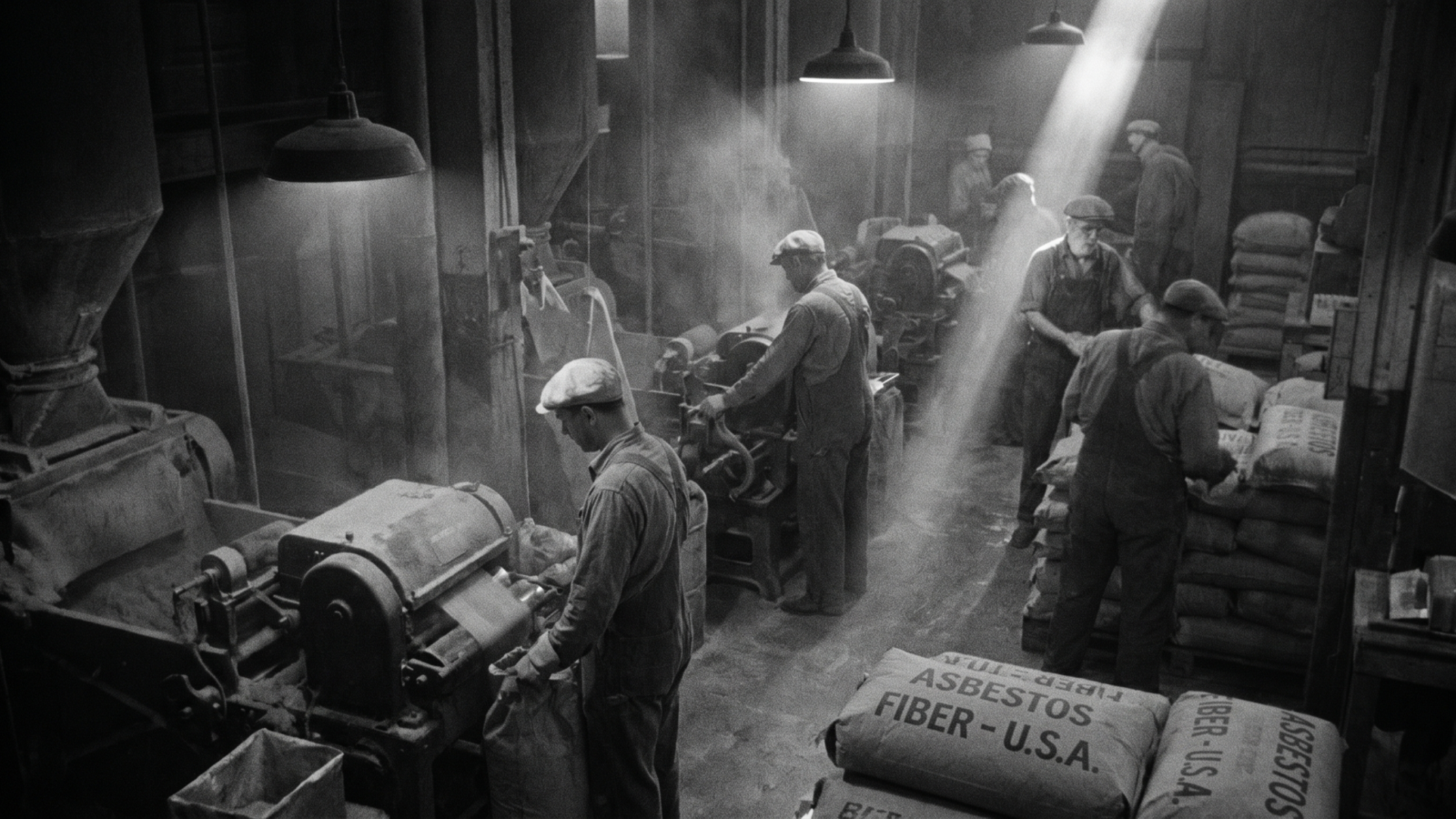
In 2024, the Environmental Protection Agency finally banned most uses of chrysotile asbestos in the United States. Industry groups filed legal challenges within days. As of 2026, those challenges are working through federal courts. The outcome is not certain. The United States has spent fifty-three years getting to this point — and the companies whose products cause 3,000 new mesothelioma diagnoses every year spent most of that time ensuring it got there as slowly as possible.
This is the documented record: every legislative effort to ban asbestos, and the sustained lobbying campaign that defeated each one.
The Legal Weapon: Corrosion Proof Fittings v. EPA (1991)
The industry’s most consequential victory was not in Congress. It was in the Fifth Circuit Court of Appeals. In Corrosion Proof Fittings v. EPA, the industry challenged EPA’s 1989 comprehensive asbestos ban — a rule the agency had spent a decade developing — arguing EPA had not adequately satisfied TSCA’s cost-benefit requirements. The court agreed, throwing out the most significant asbestos regulation in US history and establishing a legal interpretation that made it essentially impossible for EPA to regulate any established chemical for the next twenty-five years.
This was not an accident. It was the product of sustained, funded industry lobbying that shaped both the legislative text of TSCA and the legal arguments made in the Corrosion Proof Fittings case itself.
If This Investigation Affects You
Legislative failures do not eliminate your legal rights. The companies that lobbied against an asbestos ban while their products sickened workers established trust funds to compensate those workers. If you or a family member has been diagnosed with mesothelioma, your claim is against the manufacturer — not Congress.
Trust fund claims are subject to statutes of limitations — in most states, 2 to 3 years from the date of a mesothelioma diagnosis. Acting now preserves your options.
Get a Free Confidential Case Review →
No obligation. No upfront cost. Attorney advertising.
The Lobbying Record
The asbestos industry’s lobbying effort has been sustained across five decades. The Asbestos Information Association, established in 1970, spent millions funding research designed to cast doubt on the asbestos-cancer link. The Quebec Asbestos Mining Association and later the Chrysotile Institute argued that chrysotile asbestos posed less risk than amphibole forms — a position the International Agency for Research on Cancer has consistently rejected, classifying all forms as Group 1 carcinogens.
Disclosed lobbying records show consistent industry investment in opposing asbestos legislation across every Congress in which a ban has been introduced. The full picture is larger: many activities were conducted through trade associations whose budgets were not required to be broken down by legislative issue.
Where Things Stand in 2026
The 2024 EPA chrysotile ban is the most significant asbestos restriction in US history — but it is under active legal challenge, and it does not cover all asbestos uses. The chlor-alkali industry, which uses asbestos diaphragm cells in industrial chlorine production, is the primary remaining commercial user and the primary funder of current challenges to the EPA rule.
Meanwhile, 3,000 Americans will be diagnosed with mesothelioma this year — people exposed in the 1960s and 1970s, when the companies whose products caused the exposure were simultaneously lobbying against regulation that might have protected them. Those companies established trust funds totalling over $32 billion. That money is available now, regardless of any regulatory outcome.
More from Legislative Failures